Ligia Dias
* 1974, La Chaux-de-Fonds, CH. Lives in Geneva
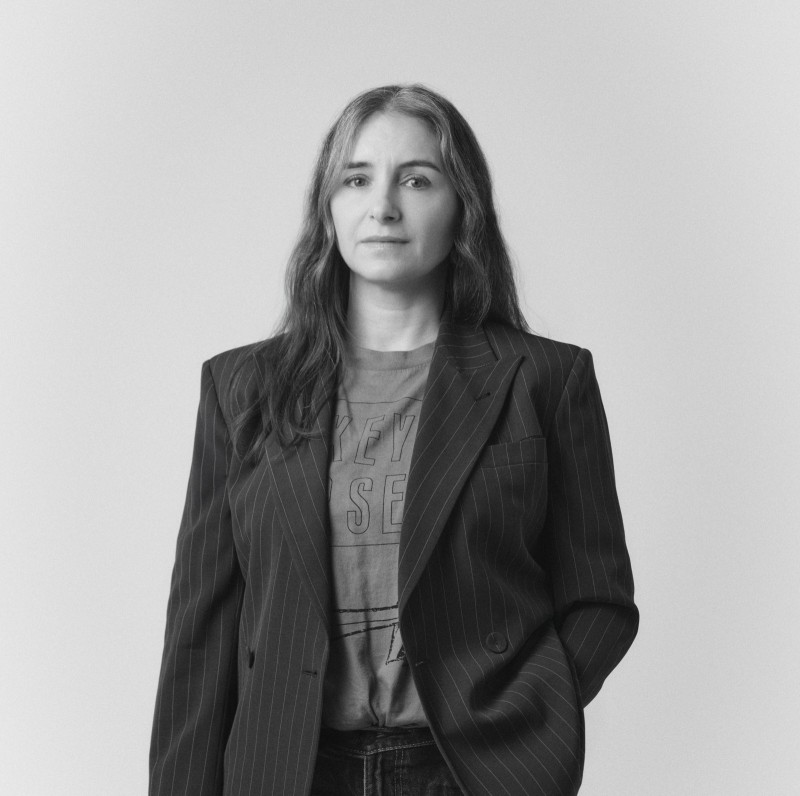
Born in La Chaux-de-Fonds in 1974 to a family of Portuguese origin, Ligia Dias graduated from ECAL in 2019. Driven by a strong interdisciplinary inclination and encouraged by her former teachers, including typographer François Rappo and the two founders of the M/M Paris agency, she pursued further training by studying fashion design in Paris. She subsequently collaborated with several artistic directors at prestigious fashion houses, including Alber Elbaz at Lanvin, Nicolas Ghesquière at Balenciaga and Louis Vuitton, and Natacha Ramsay-Levi at Chloé. Recognized for her interdisciplinary research, as demonstrated in the Signes quotidiens exhibition at the Centre culturel suisse in Paris in 2005, she founded her eponymous jewelry brand. Personalities such as Rei Kawakubo (Comme des Garçons) and Sarah Andelman (Colette) have praised her ability to break down the boundaries between art, design and fashion. Drawing on historical models, she revisits existing forms to create a body of work imbued with personal names, paying homage to forgotten pioneers of modernity, such as Anni Albers, as well as to those who redefined the very notion of a work of art, such as Lynda (Benglis) and Mike (Kelley).
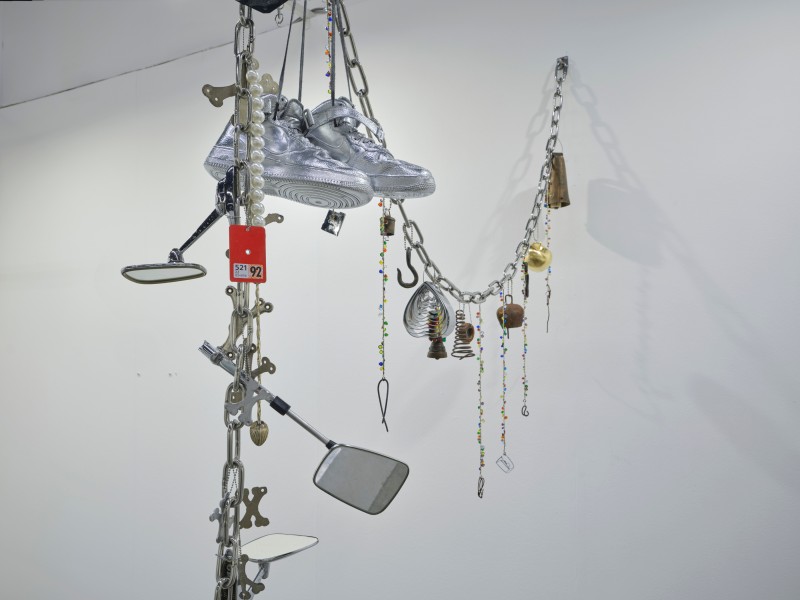
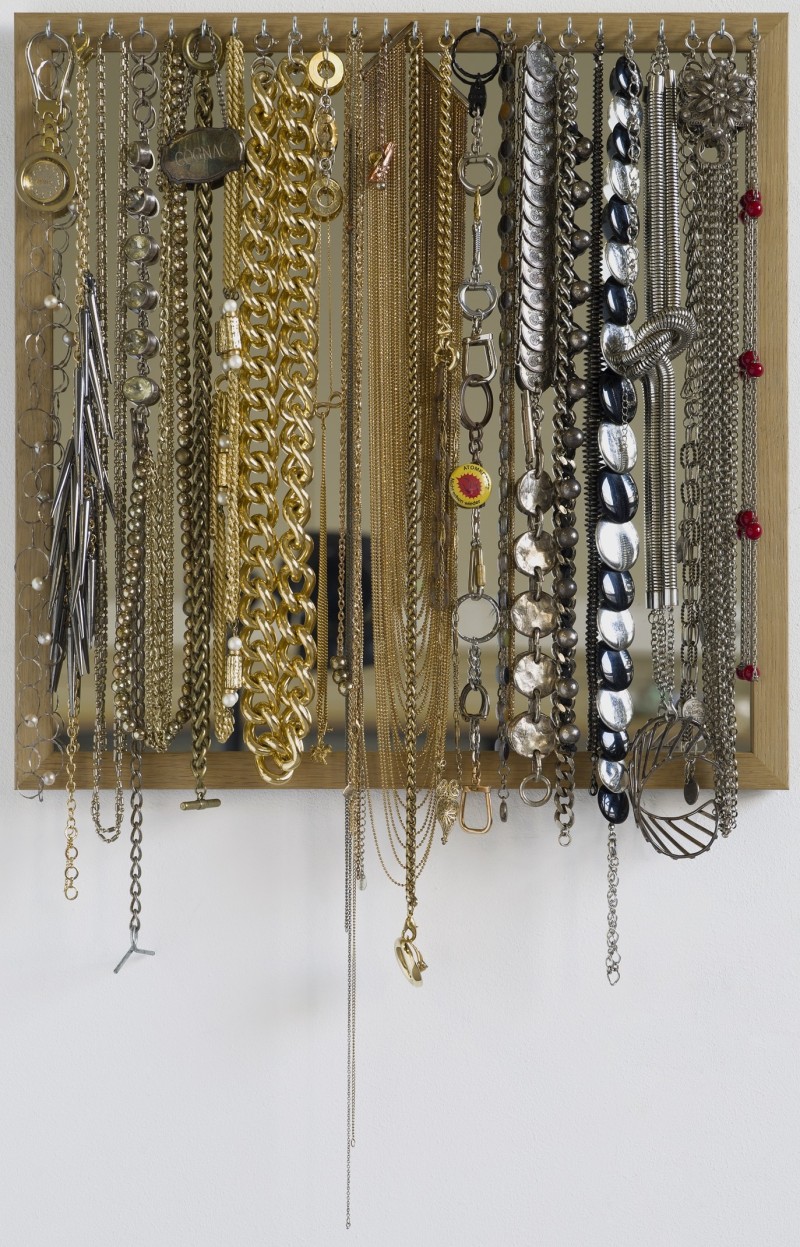
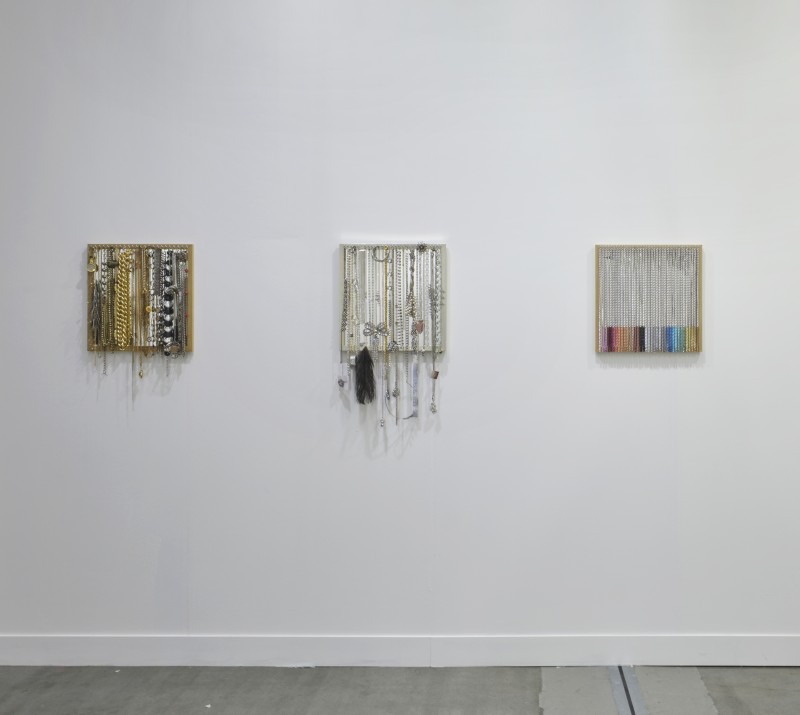
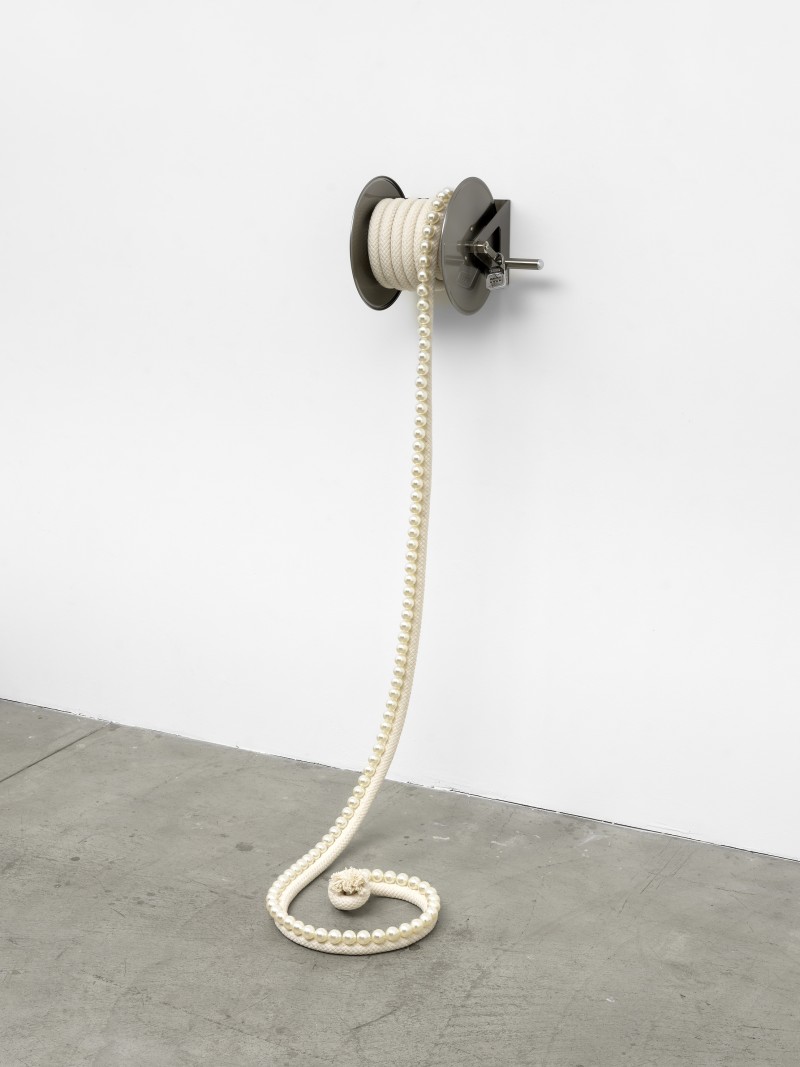
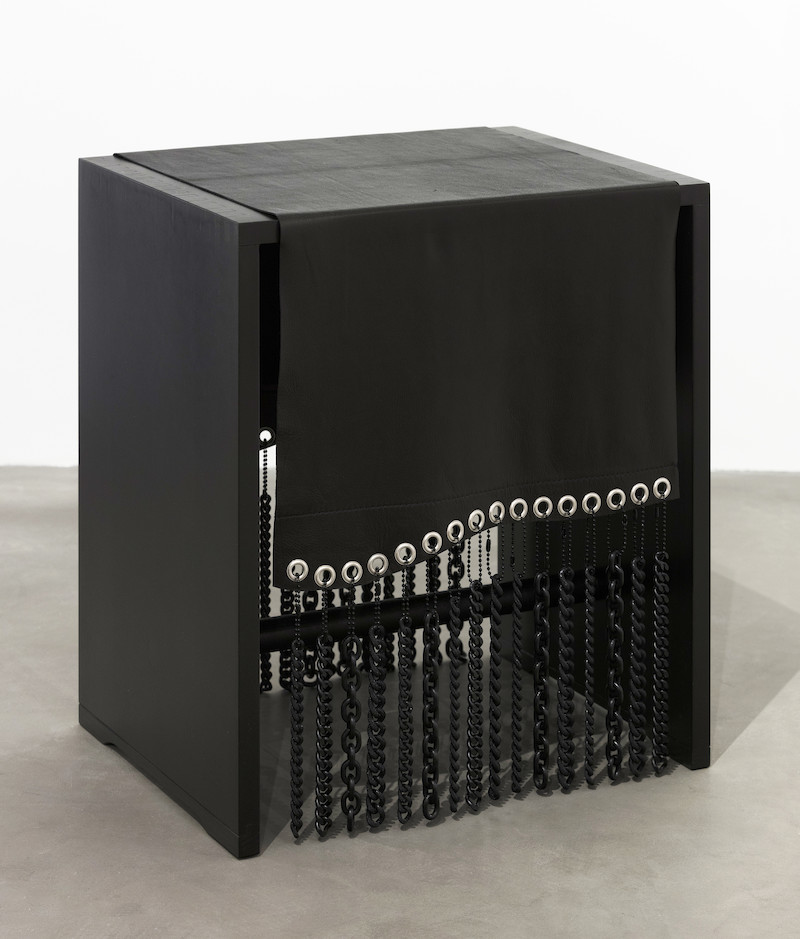
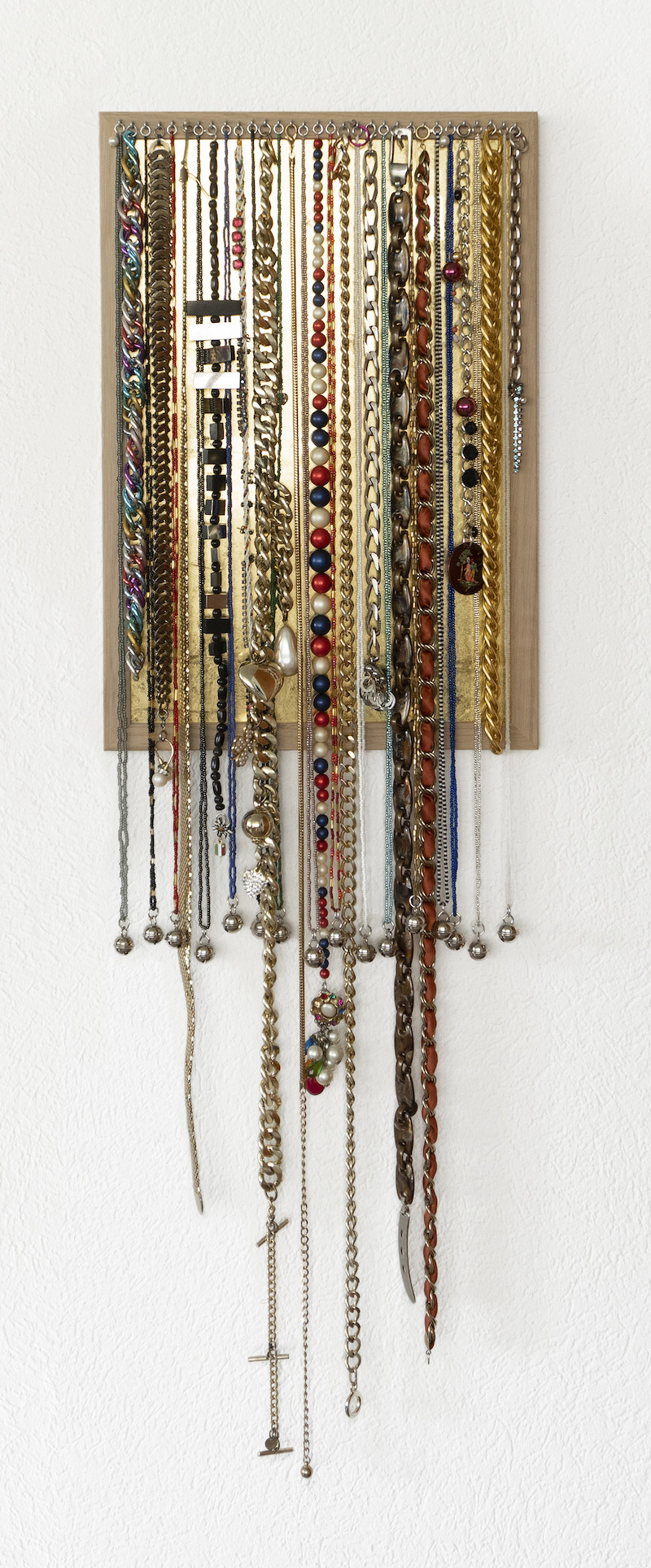
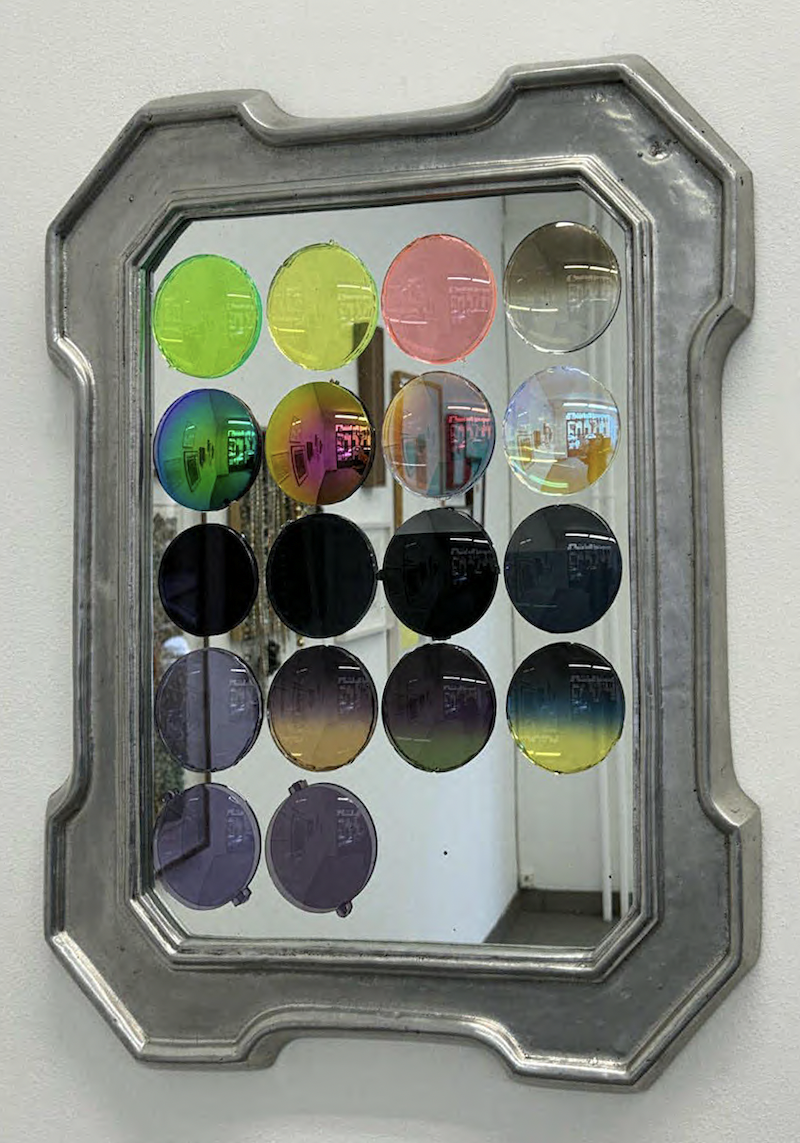
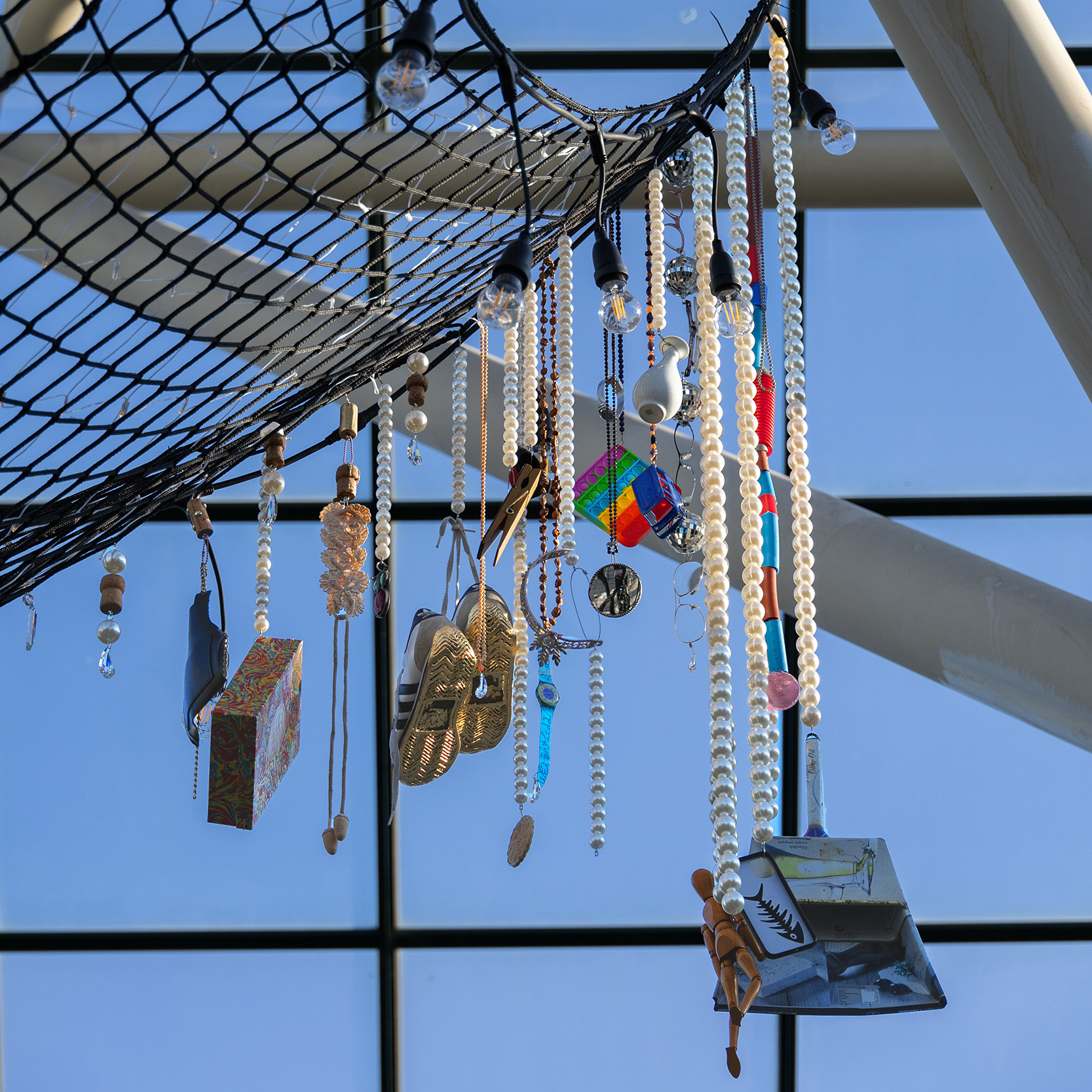
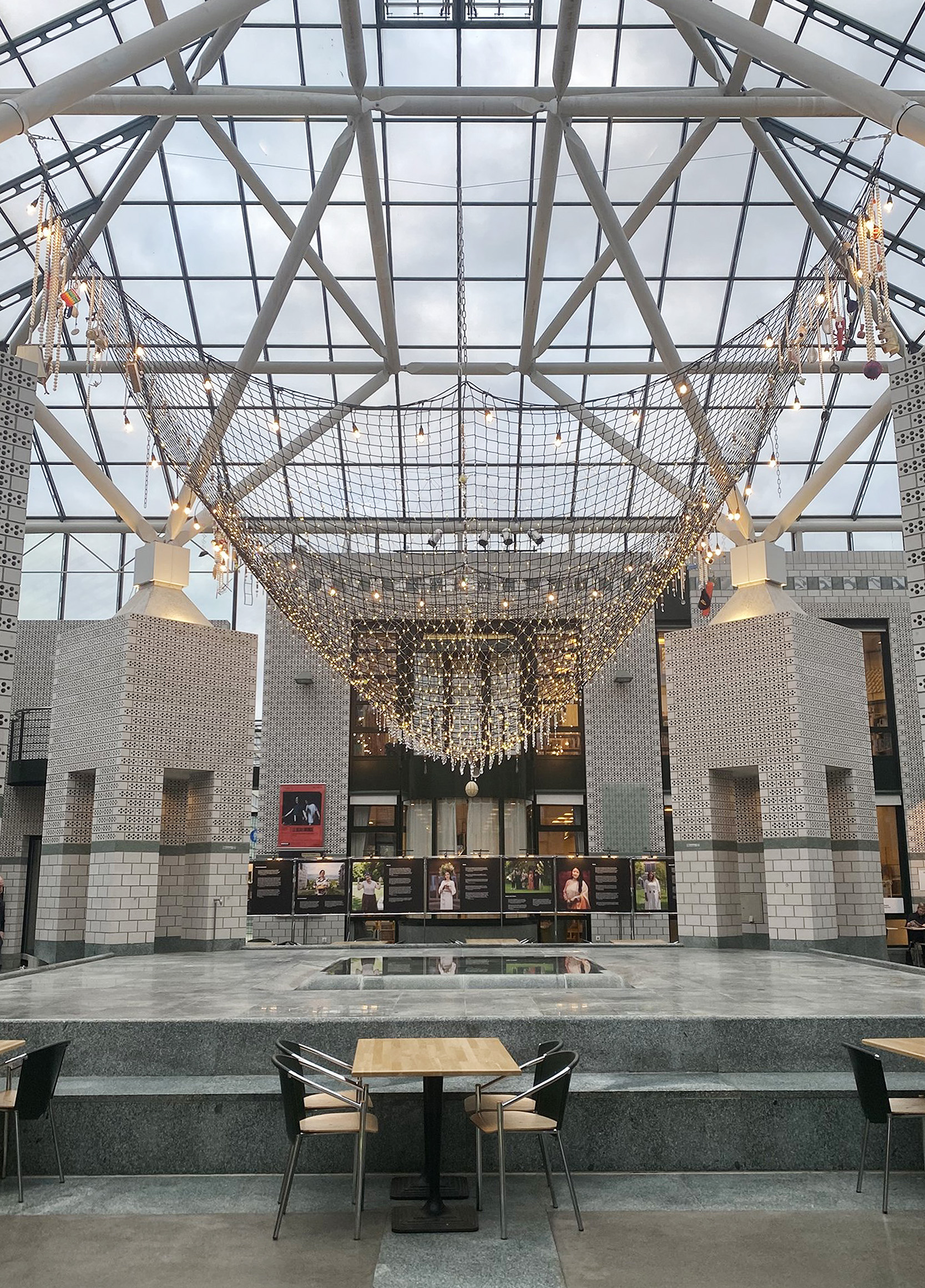
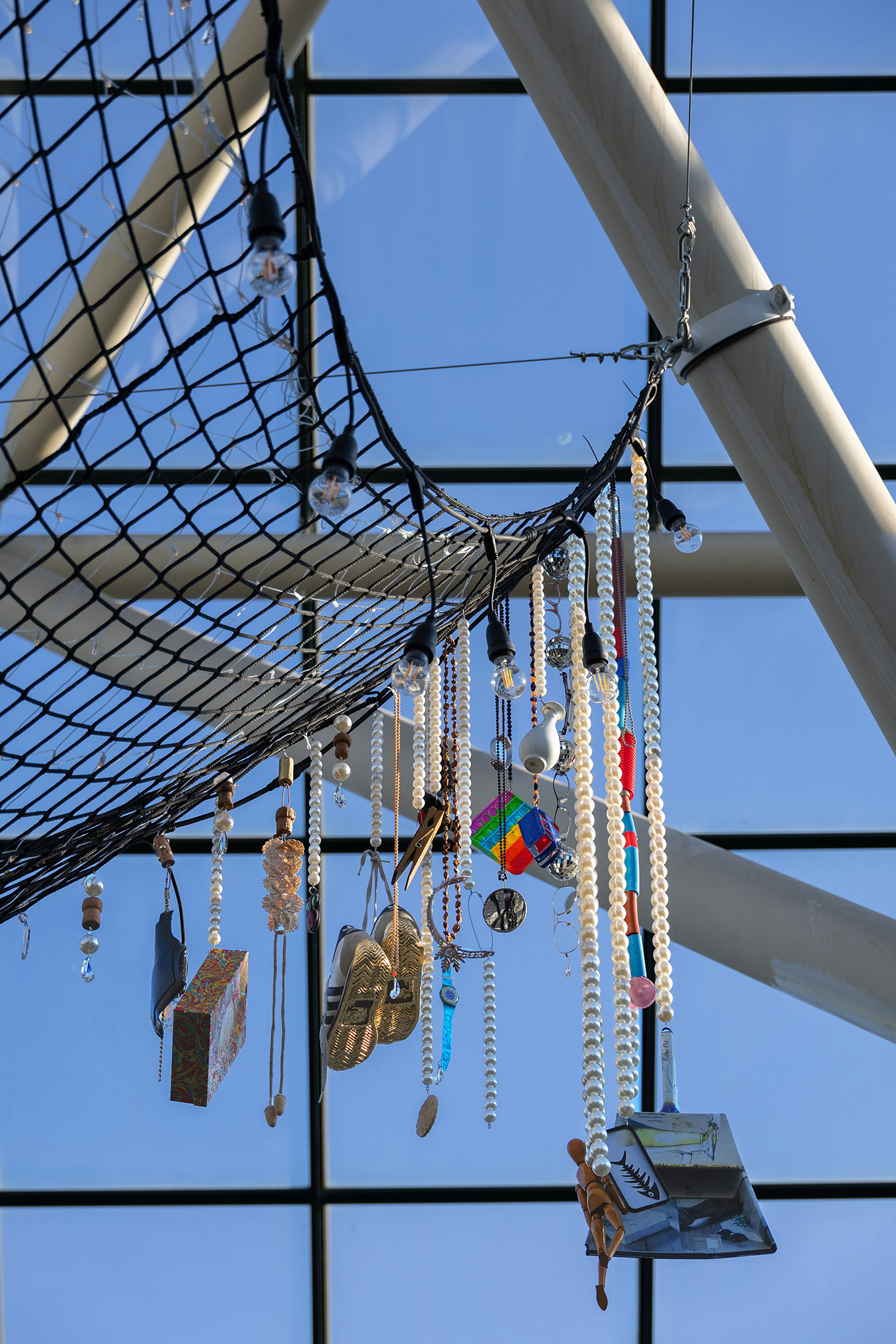
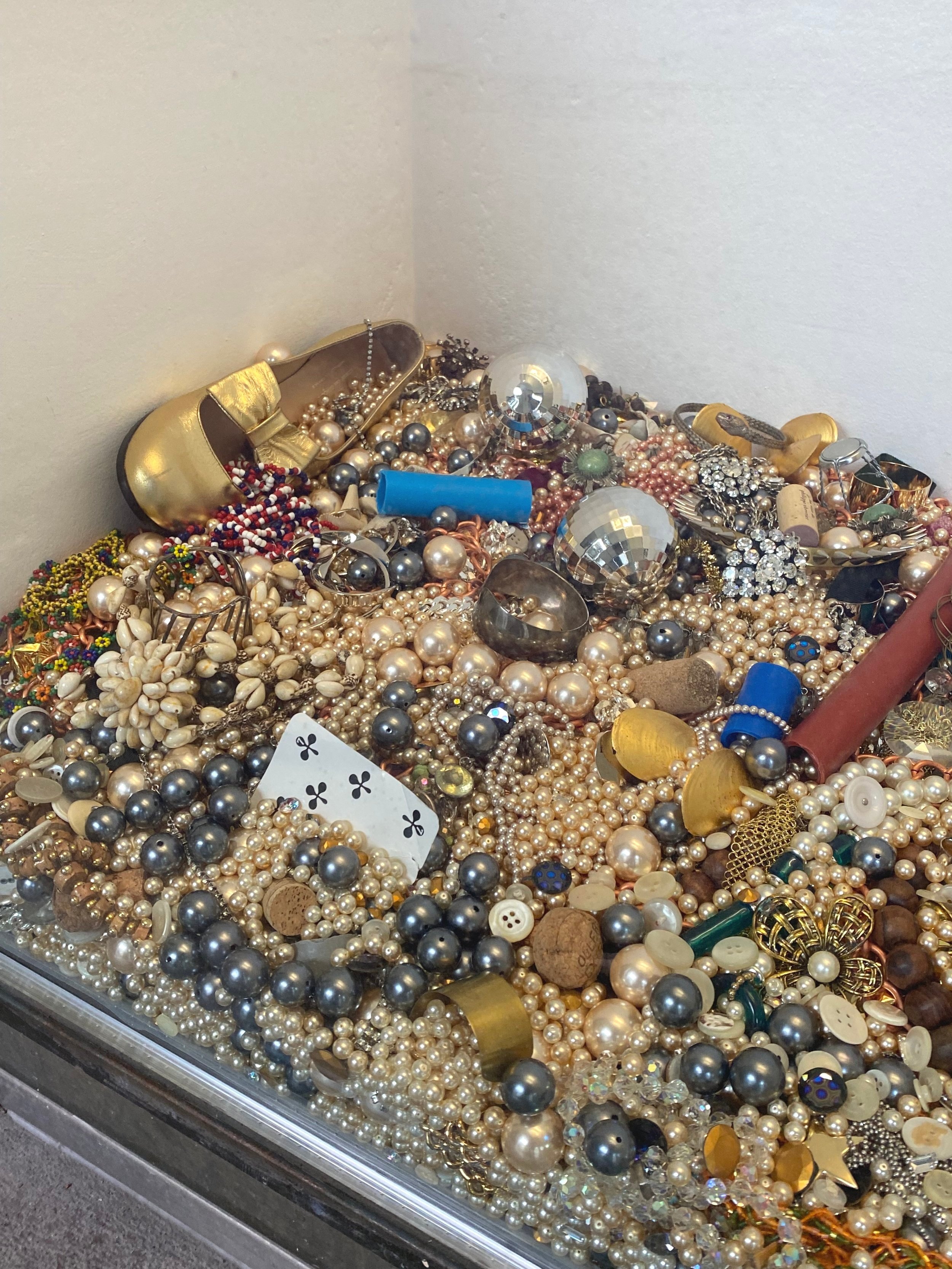
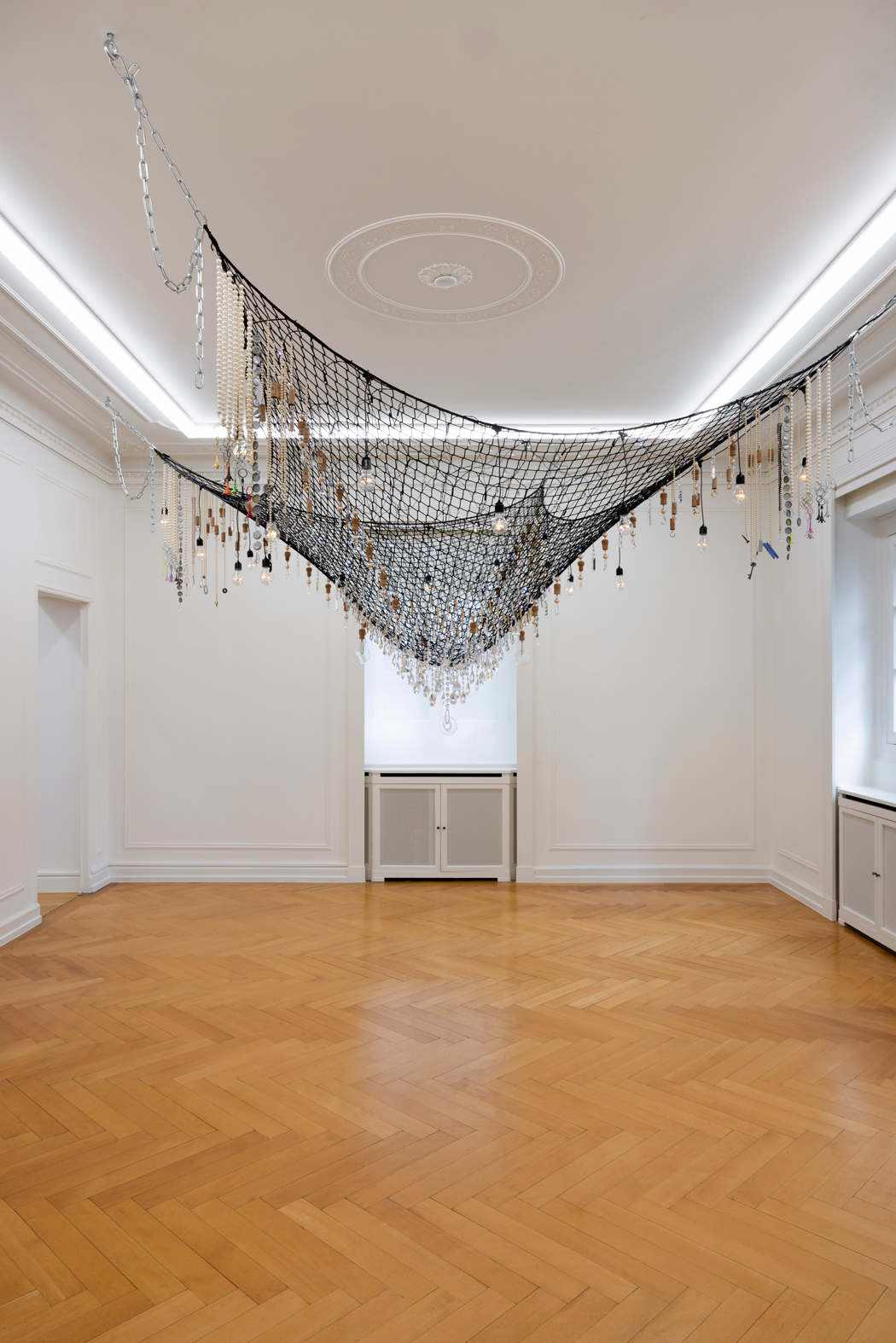
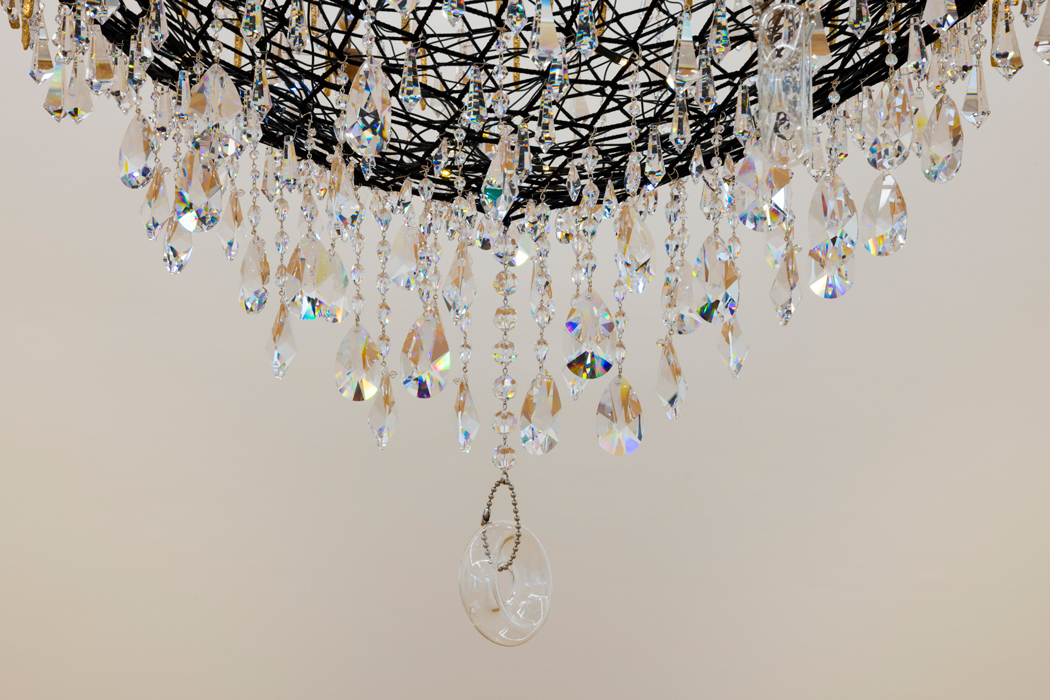
As with her curatorial projects, Ligia Dias has been gradually expanding her research to include objects and installations. Her erudition knows no bounds and extends far beyond simple quotations : ranging from the Wiener Werkstätte to Barbara Hepworth and Antoni Gaudí, her references span a broad spectrum in which the history of forms becomes a field for experimentation and transformation. In many of her works, she questions “the role of the author” and the way in which our society hierarchizes material productions according to a pre-established system of values. Among her recent works, ANTONI (2021) is a safety net filled with precious or reclaimed items that combines the prestige of crystal chandeliers with the improvised vide-poche. ARNAUD (Vide-poche) (2020) brings together a collection of personal effects in a single piece titled after a friend. For curator and art historian Jill Gasparina, ANTONI “plays with the combination of functional and ornamental elements that characterizes almost all of Ligia Dias’s work. Is it a sculpture or a work of design? The question is as trivial as it is unanswerable, and the answer often depends on the exhibition’s context and setup.”
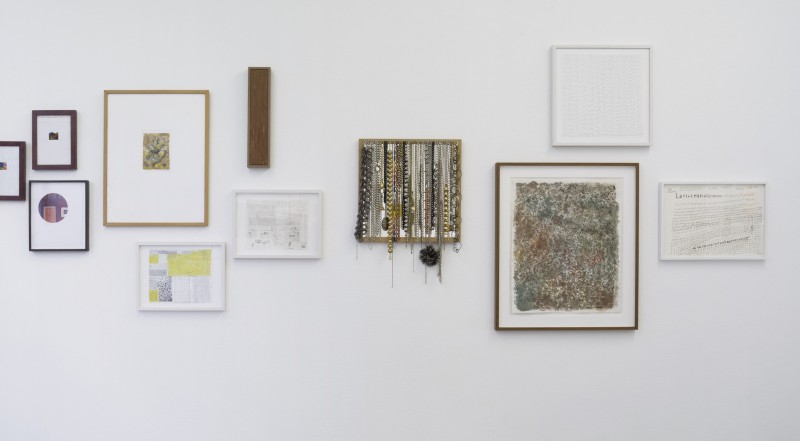
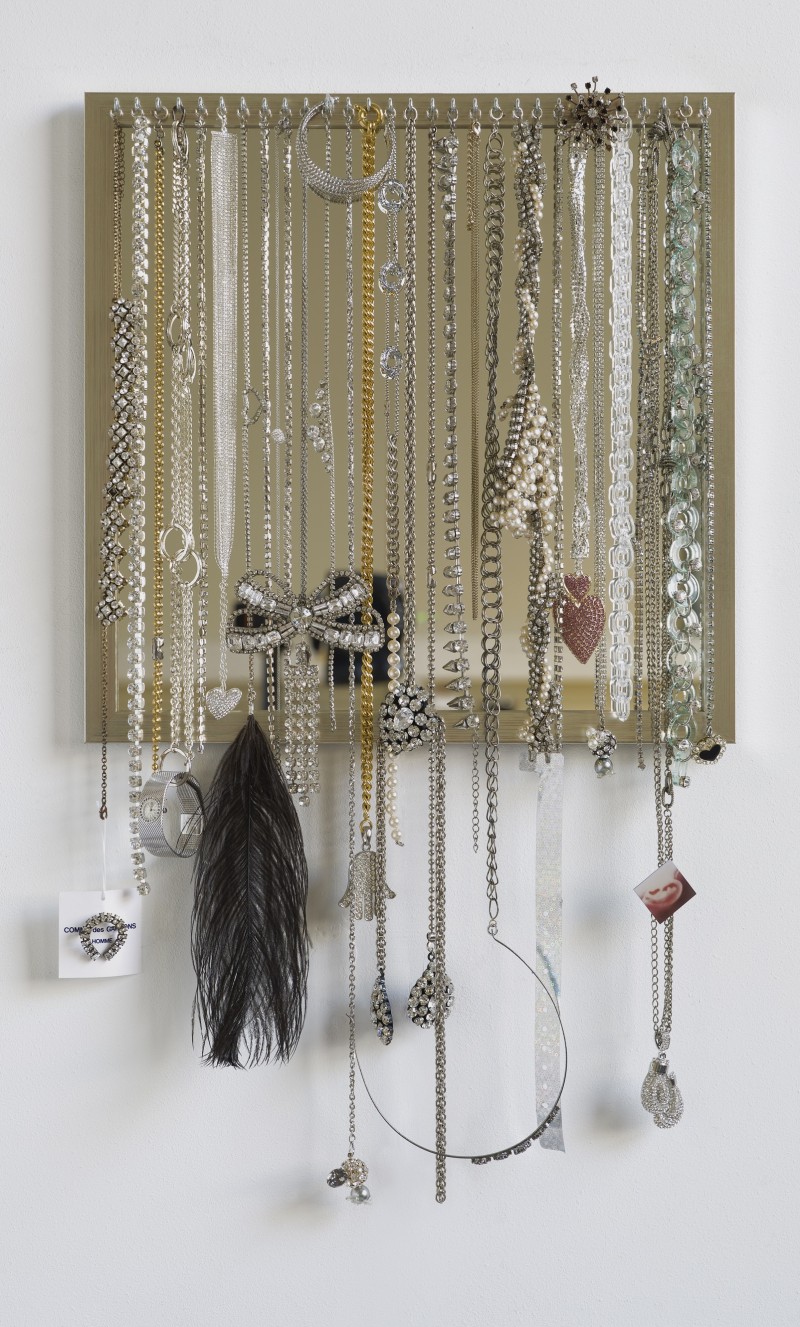
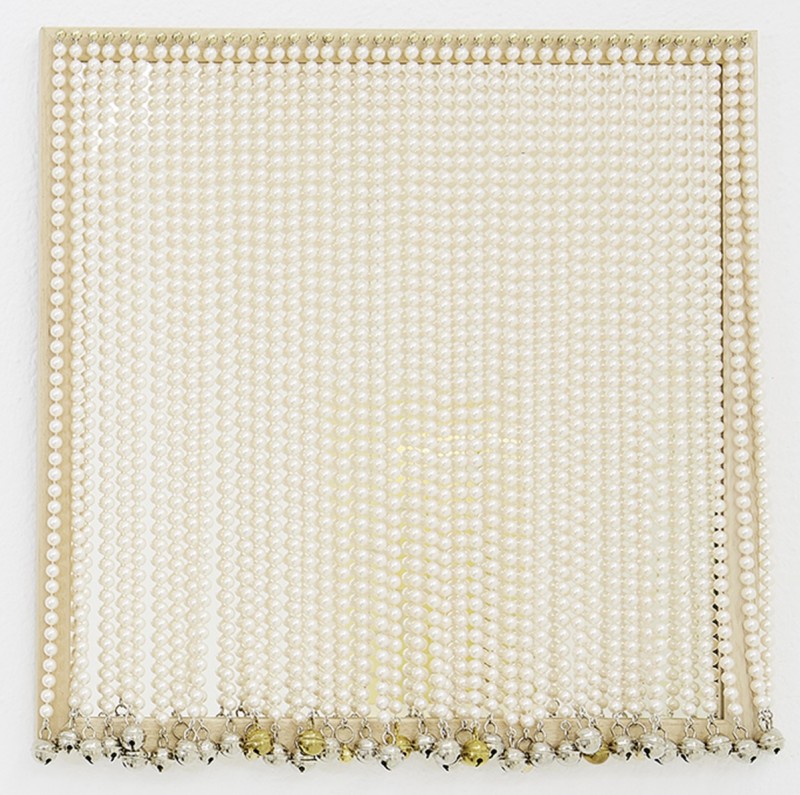
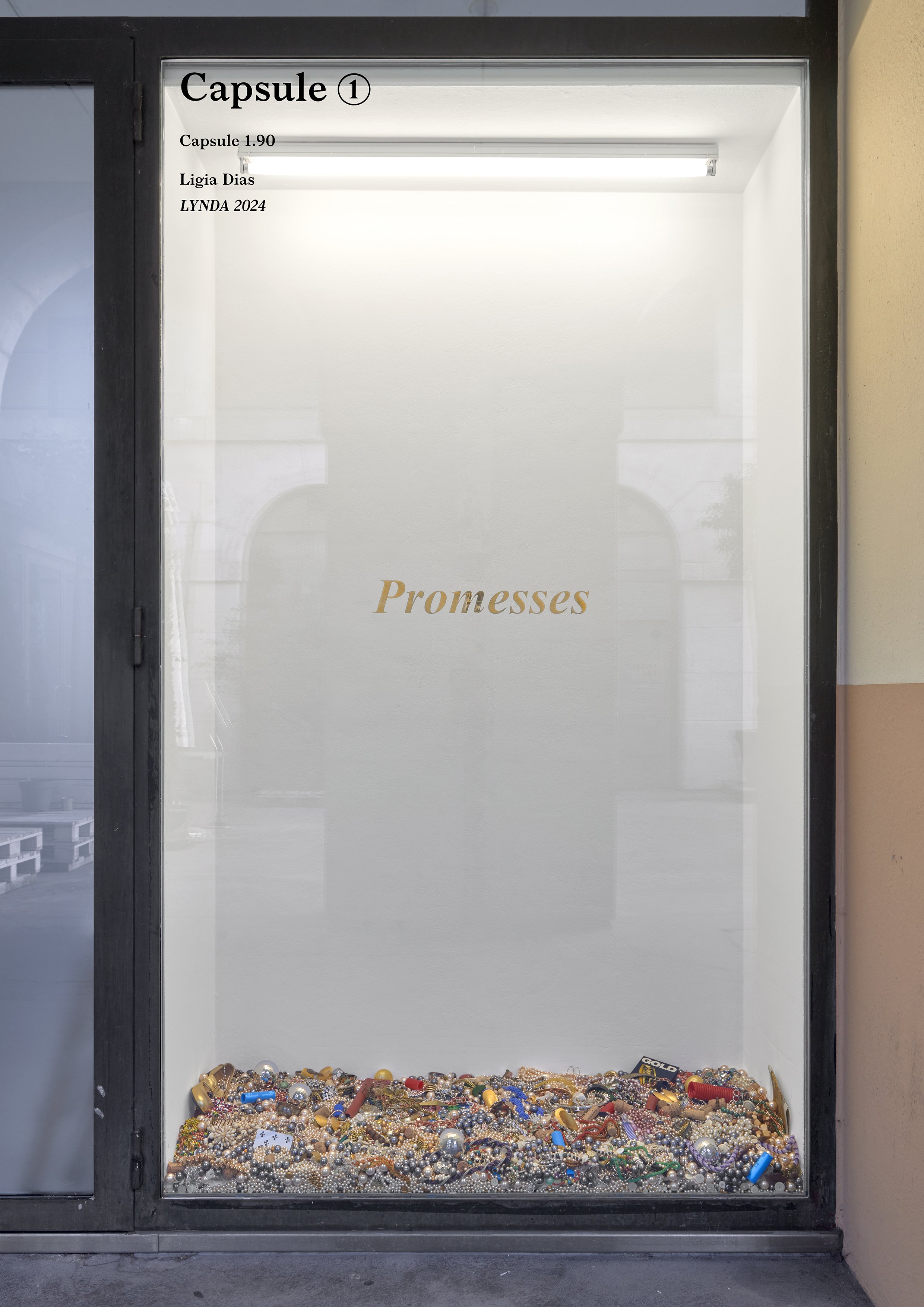
Regarding LYNDA (Halle Nord, 2024), the artist notes that it incorporates elements of her artistic vocabulary, including beads, chains, ribbons, books, production leftovers, found objects, and discarded items. She envisions these remnants, legacies, and memories — happy or otherwise — as potential future forms. Thus, Dias weaves together precious and disposable items, common and unique ones, once again questioning the social organization of objects, whether they are functional, decorative, or ornamental. As art critic and expert Fabienne Stephan writes: “Her works surround us, accompany us, and sometimes reassure us. Their usefulness is often much more than material. They invite us to look beyond what is seen and free objects from any hierarchical criteria. Ligia Dias’s work lies between a Bauhaus ideal and a postmodern fantasy.”
Her art evokes functional or personal spaces, such as the chandelier (ANTONI, 2021) and the vide-poche (ARNAUD (Vide-poche), 2020). However, the artist reminds us of the significance of these physical structures in shaping our cultural identity. Found materials and precious elements are combined in horizontal assemblages and, more recently, in suspensions (Le Paradis, 2025). For over twenty years, Ligia Dias is crossing artistic boundaries while conducting a unique and coherent research. She explores the modalities of her work, including the social aspects, to remove it from the polarities of art and industrial manufacturing, artwork and objects. Her practice is powerfully complex and often paradoxical, and she brings it to the intersection of physical experience and allegorical dimension.
Photo: Alicia Dubuis